


What Is Shelf Testing and Why Your CPG Brand Needs It
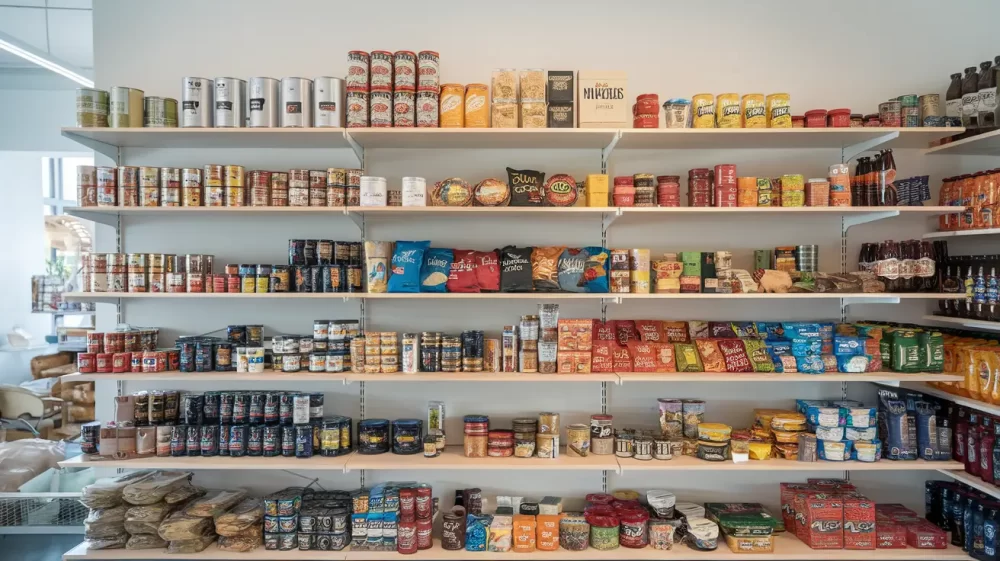
Shelf testing helps CPG brands understand how their products perform when customers see them in stores or online. Think of it as a preview of how your product will compete for attention before you spend money on full production and distribution.
Shelf Test
For CPG brands, this testing method can save thousands of dollars and prevent failed product launches. Research shows that 70% of buying decisions happen right at the shelf, making your product’s visual appeal and placement critical for success.
When customers walk down a grocery aisle, they scan products in just 3-5 seconds. If your package design, price, or shelf position doesn’t grab attention immediately, you lose the sale. Shelf testing helps you fix these problems before they cost you real money.
How Shelf Testing Works for Consumer Goods
The process involves showing your product alongside competitors in a realistic shopping environment. This can happen in actual stores, virtual reality setups, or through online simulations that look like real store shelves.
Testing Process
During testing, real shoppers browse products just like they would in stores. Researchers track which products get noticed first, how long people look at each item, and which ones they choose to buy. This data tells you exactly what works and what needs improvement.
Modern shelf testing uses eye-tracking technology to see where customers look first. If your product sits in a blind spot or gets overlooked, you’ll know before launching nationwide.
Types of Shelf Testing Methods
Physical Store Testing
This method places your product in real retail locations with actual shoppers. Store associates watch customer behavior and record which products get picked up most often.
Benefits include realistic shopping conditions and genuine customer reactions. However, physical testing costs more and takes longer to set up than other methods.
Virtual Reality Shelf Testing
VR testing creates a computer-generated store where participants shop using special headsets. They can pick up products, read labels, and compare prices just like in real stores.
Virtual Store
This approach costs less than physical testing and lets you test multiple product versions quickly. You can change package designs, prices, or shelf positions instantly without printing new products.
Online A/B Testing
A/B testing shows two different versions of your product to separate groups of customers. One group sees version A while another group sees version B. Comparing their responses tells you which version performs better.
This method works well for e-commerce products and quick packaging tests. You can test price changes, color schemes, or package sizes without major investments.
Key Metrics That Matter for CPG Brands
Time to First Notice
This measures how quickly shoppers spot your product on the shelf. Products noticed within 2-3 seconds have much higher sales potential than those that take longer to grab attention.
If your product takes too long to get noticed, consider brighter colors, larger fonts, or better shelf positioning.
Purchase Intent Scores
After seeing your product, how likely are customers to actually buy it? Purchase intent scores range from 1-10, with higher scores indicating stronger buying interest.
Purchase Intent
Low scores might mean your price is too high, your package looks confusing, or competitors offer better value. Testing different versions helps identify the best approach.
Attention Duration
How long do customers spend looking at your product? Longer attention usually means higher interest, but it can also signal confusion about your product benefits or pricing.
The sweet spot is 5-8 seconds of focused attention before customers make their buying decision.
Competitive Comparison
Your product doesn’t exist in isolation. Testing shows how you stack up against direct competitors on the same shelf. You need to outperform at least 50% of competing products to succeed.
Look for gaps where competitors are weak. Maybe they all use similar colors, giving you a chance to stand out with different design choices.
Common Shelf Testing Mistakes CPG Brands Make
Testing in Wrong Environments
Testing premium products in discount store setups gives misleading results. Your test environment should match where customers will actually shop for your product.
If you sell in Target, test in Target-like conditions. If you sell on Amazon, use e-commerce testing formats that mirror online shopping experiences.
Ignoring Price Sensitivity
Many brands focus only on package design while ignoring price testing. Your beautiful package won’t sell if the price is too high for your target market.
Price Testing
Test multiple price points to find the maximum amount customers will pay. Sometimes a small price reduction dramatically improves sales volume.
Using Unrealistic Product Lineups
Testing your product against 20 competitors creates an unrealistic shopping environment. Real store sections typically display 5-8 similar products together.
Keep your test realistic by using the right number of competing products that customers would actually see in stores.
Forgetting About Different Store Formats
Your product might perform differently in grocery stores versus convenience stores versus warehouse clubs. Package sizes, pricing, and positioning strategies should match each retail format.
How to Set Up Effective Shelf Tests
Choose Your Test Products
Start by identifying your main competitors. Include both direct competitors (same product type) and indirect competitors (products that solve the same customer problem).
Research which brands customers currently buy and include the top 3-5 options in your test. This gives you realistic competition levels.
Define Your Target Customers
Target Audience
Not all customers are equal for your brand. Define exactly who you want to reach based on age, income, shopping habits, and product preferences.
If you sell organic baby food, focus on parents aged 25-40 with higher incomes who prioritize natural ingredients. Testing with the wrong audience gives useless results.
Create Test Variations
Develop 2-3 different versions of your product to test. This might include different package designs, price points, or product sizes.
Don’t test too many variations at once. Customers get overwhelmed with too many choices, which doesn’t reflect real shopping conditions.
Select Realistic Shelf Layouts
Study how your product category gets displayed in actual stores. Note the shelf height, product spacing, and overall layout patterns.
Eye-level shelves perform best, but they cost more. Testing different shelf positions helps you understand the value of premium placement.
Advanced Shelf Testing Strategies
Heat Map Analysis
Heat maps show exactly where customers look when viewing your shelf section. Red areas get the most attention while blue areas get ignored.
Use heat map data to optimize your package design. Put your brand name and key benefits in the high-attention zones identified by the testing.
Heat Maps
Cross-Category Testing
Sometimes your product competes with items from different categories. Protein bars might compete with candy bars or healthy snacks depending on the shopping context.
Test your product in multiple category contexts to understand all your competition sources.
Seasonal Variations
Customer preferences change throughout the year. Holiday packaging, seasonal flavors, and gift-oriented designs perform differently across seasons.
Plan separate tests for key selling seasons like back-to-school, holidays, or summer months when your product usage might change.
Technology Solutions for Modern Shelf Testing
AI-Powered Testing Platforms
Modern testing platforms use artificial intelligence to speed up the testing process. AI can generate package variations, select appropriate competitors, and analyze results faster than traditional methods.
These platforms reduce testing time from weeks to days while maintaining accuracy levels that match expensive traditional research.
Mobile Testing Apps
Mobile Testing
Smartphone apps let customers participate in shelf tests from home. They view product displays on their phones and provide feedback through simple surveys.
Mobile testing reaches larger, more diverse customer groups than traditional focus groups while costing less to operate.
Predictive Analytics
Advanced testing platforms predict how your product will perform in different retail environments based on historical data from similar products.
This helps you make informed decisions about package design, pricing, and distribution strategies before investing in full market launches.
Step-by-Step Guide to Running Your First Shelf Test
Phase 1: Planning Your Test
Before starting any shelf test, spend time planning exactly what you want to learn. Write down specific questions like “Which package color attracts more attention?” or “What price point maximizes purchase intent?”
Test Planning
Create a testing timeline that includes preparation, data collection, analysis, and implementation phases. Most shelf tests take 2-4 weeks from start to finish when done properly.
Set clear success metrics before beginning. Decide what results would make you change your package design, adjust pricing, or modify your retail strategy.
Phase 2: Designing Test Scenarios
Build realistic shopping scenarios that match your target customers’ actual shopping experiences. If customers typically spend 30 seconds in your product aisle, design tests that reflect this time constraint.
Include decision-making factors that matter to your customers. Price-conscious shoppers need different test setups than premium-focused buyers who prioritize quality indicators.
Consider shopping contexts like rushed weekday grocery trips versus leisurely weekend browsing. Your product might perform differently in each situation.
Phase 3: Recruiting Test Participants
Find participants who match your ideal customer profile exactly. Generic consumer panels often provide misleading results for specialized CPG products.
Participants
Screen participants based on purchasing behavior, not just demographics. Someone who buys organic products monthly gives better feedback than someone who never shops in that category.
Aim for 100-200 participants per test variation to get statistically meaningful results. Smaller sample sizes can lead to incorrect conclusions about product performance.
Phase 4: Running the Test
Monitor test sessions to ensure participants behave naturally. Overly structured testing environments can change how people make decisions.
Collect both quantitative data (what they did) and qualitative feedback (why they did it). Numbers tell you what happened, but customer comments explain the reasoning behind their choices.
Document any technical issues or unusual participant behavior that might affect your results. This helps you interpret data accurately later.
Phase 5: Analyzing Results
Look for patterns across different customer segments. Your product might appeal strongly to one age group while struggling with another demographic.
Data Analysis
Compare performance against each competitor individually. You might beat some brands easily while struggling against others, revealing specific competitive advantages and weaknesses.
Pay attention to unexpected results that contradict your assumptions. These surprises often provide the most valuable insights for improving your product strategy.
Industry-Specific Shelf Testing Considerations
Food and Beverage Products
Food packaging must communicate taste, quality, and ingredients quickly. Customers often judge food products by appearance alone, making visual design critical for success.
Test appetite appeal by measuring how “delicious” your product looks compared to competitors. Food products with low appetite appeal scores rarely succeed regardless of actual taste quality.
Consider dietary restrictions and health trends in your testing. Products that clearly communicate “gluten-free” or “plant-based” benefits perform better with health-conscious shoppers.
Personal Care and Beauty
Beauty products compete heavily on premium perception and brand trust. Test whether your packaging communicates the right quality level for your price point.
Beauty Testing
Color psychology plays a major role in beauty product selection. Test different color schemes to find combinations that appeal to your target demographic.
Include gift-giving scenarios in your tests. Many personal care products get purchased as gifts, requiring different packaging approaches than personal-use items.
Household and Cleaning Products
Functional products need to communicate effectiveness and value clearly. Customers want proof that your product works better than alternatives.
Test benefit communication by measuring how well customers understand what your product does and why they should choose it over competitors.
Include bulk buying scenarios since many household products get purchased in larger quantities for family use.
Pet Products
Pet owners make emotional purchasing decisions based on what they think is best for their animals. Test emotional appeal alongside functional benefits.
Pet Products
Consider different pet types in your testing. Dog owners and cat owners often have different shopping priorities and brand preferences.
Include premium versus budget scenarios since pet spending varies dramatically between different customer segments.
Retail Channel Considerations
Traditional Grocery Stores
Grocery shelf tests should include realistic shopping cart scenarios where customers compare prices while managing time constraints and family needs.
Test both planned purchases (shopping list items) and impulse purchases (attractive products that catch attention unexpectedly).
Consider end-cap displays and promotional placements that grocery stores commonly use to boost product visibility.
Mass Retail Stores
Big box retailers like Walmart and Target create different shopping environments than grocery stores. Customers often buy larger quantities and focus more heavily on value.
Mass Retail
Test bulk packaging options and family-size products that perform well in mass retail environments.
Include cross-shopping scenarios where customers compare your product to items in different categories while walking through large store layouts.
E-commerce Platforms
Online shelf testing requires different approaches since customers can’t physically handle products. Focus on how your product images and descriptions perform in digital environments.
Test thumbnail images that appear in search results alongside main product photos that customers see on individual product pages.
Consider how your product appears on mobile devices since many online purchases happen through smartphone apps.
Convenience Stores
Convenience store shopping involves quick decisions and immediate consumption needs. Test how your product performs in rushed, impulse-driven shopping scenarios.
Convenience
Focus on grab-and-go appeal and single-serve packaging options that work well for on-the-move customers.
Test premium pricing strategies since convenience store customers often pay more for immediate availability.
Advanced Testing Techniques for CPG Brands
Multi-Touch Journey Testing
Track how customers interact with your product across multiple shopping trips. First-time buyers behave differently than repeat customers who already know your brand.
Test new customer acquisition alongside customer retention scenarios to optimize for both growth and loyalty.
Consider how promotional pricing affects long-term brand perception and customer expectations.
Emotional Response Testing
Measure emotional reactions to your product using facial expression analysis and sentiment tracking. Positive emotions correlate strongly with purchase likelihood.
Emotions
Test how your brand story and messaging affect customer feelings about your product. Emotional connections often matter more than functional benefits.
Include stress testing scenarios where tired or hurried customers make quick decisions under pressure.
Social Influence Testing
Test how customer decisions change when they shop with family members or friends. Group shopping dynamics can dramatically affect product selection.
Include scenarios where customers consider what others might think about their product choices, especially for visible or shareable items.
Test how online reviews and ratings visible during shopping affect purchase decisions for your product category.
Cultural and Regional Testing
Regional preferences can significantly impact product performance. Test your product in different geographic markets to identify local adaptation needs.
Regional
Consider cultural factors that affect shopping behavior, packaging preferences, and brand perception in different communities.
Test seasonal variations that might affect regional performance, such as weather-related product usage patterns.
Implementing Shelf Test Results
Making Design Changes
Use test results to prioritize design changes that will have the biggest impact on sales performance. Focus on modifications that improve multiple metrics simultaneously.
Create design guidelines based on test learnings that can guide future product development and brand consistency across your product line.
Test design changes incrementally rather than making dramatic overhauls that might create new problems while solving existing ones.
Pricing Strategy Adjustments
Use price sensitivity data to set optimal pricing that maximizes both volume and profit margins for your specific market position.
Pricing
Consider how pricing changes affect brand positioning and customer perception of quality. Sometimes higher prices improve purchase intent by signaling premium quality.
Test promotional pricing strategies to understand how discounts and special offers affect both short-term sales and long-term brand value.
Retail Placement Strategies
Use shelf position data to negotiate better placement with retailers. Strong test results provide evidence for requesting premium shelf positions.
Develop placement strategies for different retail formats based on how your product performs in various store environments.
Consider seasonal placement changes that align with testing data about when and how customers shop for your product category.
Shelf Testing FAQ for CPG Brands
What is shelf testing for CPG brands?
Shelf testing is a research method that shows how your product performs when displayed alongside competitors in realistic shopping environments. It measures customer attention, purchase intent, and buying behavior before you launch your product in stores. Simporter automates this entire process using AI-powered virtual environments that replicate real store conditions, helping CPG brands get actionable insights in days rather than weeks.
How much does shelf testing cost?
Traditional shelf testing can cost $10,000 to $50,000 for comprehensive studies. Virtual shelf testing platforms reduce costs to $2,000 to $10,000 while providing similar insights. Simporter offers cost-effective shelf testing solutions that deliver enterprise-quality results at a fraction of traditional research costs, making advanced testing accessible to CPG brands of all sizes.
How long does shelf testing take?
Modern virtual shelf testing takes 1-2 weeks from setup to results. Traditional in-store testing requires 4-8 weeks due to logistics, participant recruitment, and data collection time. Simporter’s automated platform reduces testing time to just days by using AI to select competitors, generate package variations, and analyze results instantly.
What sample size do I need for reliable shelf testing results?
Most shelf tests need 100-200 participants per test variation to achieve statistical significance. Smaller sample sizes (50-75) can work for initial concept testing, but major business decisions require larger groups for reliable data. Simporter manages participant recruitment automatically and ensures statistically valid sample sizes for each test scenario.
Can shelf testing work for e-commerce products?
Yes, shelf testing adapts well to e-commerce environments. Online shelf tests simulate Amazon product pages, search results, and category browsing experiences. Simporter offers both physical store and e-commerce testing environments, allowing CPG brands to optimize their products for online marketplaces and traditional retail simultaneously.
What metrics should I track in shelf testing?
Key metrics include time to first notice (how quickly customers spot your product), purchase intent scores, attention duration, and competitive comparison rankings. Advanced tests also measure emotional response and brand recall. Simporter automatically tracks all essential shelf testing metrics and provides easy-to-understand reports that highlight the most important insights for your product decisions.
How do I choose competitors for my shelf test?
Include your top 3-5 direct competitors plus 1-2 indirect competitors that solve similar customer problems. Research actual store shelves to see which brands customers encounter when shopping for your product category. Simporter’s AI automatically identifies and selects the most relevant competitors for your product category, ensuring realistic competitive scenarios.
What makes a good shelf test participant?
Good participants match your target customer profile in demographics, shopping behavior, and product usage. Screen for people who actually buy products in your category, not just general consumers who might never purchase your type of product. Simporter maintains pre-screened consumer panels filtered by shopping behavior, demographics, and category preferences to ensure high-quality participant matching.
Should I test different price points in shelf testing?
Yes, price testing is crucial for CPG success. Test 2-3 price levels to find the optimal balance between purchase intent and profit margins. Price changes often have bigger impacts on sales than packaging modifications. Simporter allows you to test multiple price points simultaneously and shows how pricing affects purchase decisions compared to competitors.
How do I test for different retail channels?
Create separate test environments for each retail format where you plan to sell. Grocery store tests should look different from convenience store or mass retail tests since shopping behaviors vary significantly between channels. Simporter offers customizable virtual environments that replicate different retail formats, from grocery aisles to e-commerce product pages.
Can I test packaging changes without printing new products?
Modern testing platforms use digital design tools to create packaging variations without physical production. You can test different colors, fonts, layouts, and messaging instantly using computer-generated product images. Simporter’s AI visualizer creates realistic package variations automatically, allowing you to test design changes without any production costs.
What if my shelf test results are negative?
Negative results provide valuable information about what doesn’t work before you invest in full production and distribution. Use poor results to identify specific problems with design, pricing, or positioning that you can fix before launching. Simporter provides detailed analysis of why products underperformed and offers specific recommendations for improvement.
How accurate are virtual shelf tests compared to real stores?
Well-designed virtual tests achieve 85-90% accuracy compared to physical store results. The key is creating realistic shopping environments that match actual retail conditions where customers will encounter your product. Simporter’s virtual environments are built using real store data and consumer behavior research to ensure maximum accuracy and reliability.
Should I test seasonal or limited edition products?
Yes, seasonal products benefit from shelf testing since you have limited time to optimize performance. Test holiday packaging, seasonal flavors, and gift-oriented designs well before production deadlines. Simporter’s fast turnaround times make it ideal for seasonal product testing, delivering results quickly enough to implement changes before critical production deadlines.
How do I use shelf test results to negotiate with retailers?
Strong test results provide evidence for requesting better shelf placement, end-cap displays, or promotional support from retailers. Data showing superior performance versus competitors strengthens your negotiating position. Simporter generates professional reports with competitive benchmarking data that retailers respect and understand for placement negotiations.
Can shelf testing help with product line extensions?
Shelf testing works well for line extensions by showing how new products perform alongside your existing items and competitor products. Test whether new variants cannibalize existing sales or attract new customers. Simporter can test multiple product variations simultaneously to optimize entire product line performance and identify the best extension opportunities.
What is the difference between shelf testing and focus groups?
Shelf testing measures actual shopping behavior in realistic environments, while focus groups rely on discussion and opinions. Shelf testing provides quantitative data about what people do, not just what they say they might do. Simporter combines behavioral data with qualitative feedback to give you both hard metrics and customer reasoning behind their decisions.
How often should I run shelf tests?
Test major packaging changes, new product launches, and significant pricing adjustments. Many successful CPG brands run shelf tests quarterly to stay ahead of competitive changes and market trends. Simporter’s affordable pricing and quick turnaround make regular testing practical for ongoing market optimization and competitive monitoring.
Can small CPG brands afford shelf testing?
Yes, virtual shelf testing platforms offer affordable options for small brands starting around $2,000. The cost is minimal compared to the potential losses from launching products that don’t perform well on shelves. Simporter provides enterprise-level testing capabilities at prices that work for emerging and growing CPG brands.
What happens after I get my shelf test results?
Use results to make data-driven decisions about packaging design, pricing, and retail strategy. Implement changes based on test insights, then consider follow-up testing to validate improvements before full market launch. Simporter provides clear action plans and can run follow-up tests to ensure your changes improve product performance as expected.
How does AI improve shelf testing accuracy?
AI improves shelf testing by automatically selecting relevant competitors, generating realistic package variations, and analyzing consumer behavior patterns at scale. Machine learning algorithms identify subtle patterns in consumer preferences that human researchers might miss. Simporter’s AI platform continuously learns from testing data to provide more accurate predictions and better recommendations for CPG brands.
What retail formats can be tested with virtual shelf testing?
Virtual shelf testing can replicate grocery stores, convenience stores, mass retailers, warehouse clubs, and e-commerce platforms. Each format requires different testing approaches since shopping behaviors vary significantly between channels. Simporter offers pre-built environments for all major retail formats and can customize testing scenarios for specific retailer requirements.
How do I measure return on investment for shelf testing?
Calculate ROI by comparing testing costs to potential losses from failed product launches or poor shelf performance. A $5,000 test that prevents a $100,000 product failure delivers 20x ROI. Simporter helps you quantify testing ROI by projecting sales improvements based on test results and competitive performance data.
Can shelf testing predict actual sales performance?
High-quality shelf tests predict sales performance with 80-85% accuracy when properly designed and executed. The key is using realistic shopping environments and appropriate consumer samples. Simporter’s platform uses validated methodologies and machine learning to improve prediction accuracy and provide confidence intervals for sales projections.
What package design elements should I test?
Test colors, fonts, imagery, product positioning, benefit callouts, and brand prominence. Each element affects customer attention and purchase decisions differently. Simporter can test individual design elements separately or in combination to identify which changes have the biggest impact on product performance and customer appeal.