When it comes to oral care, flavor still nudges habit. In the United States and Europe over the last two years the category did not swing away from mint as some predicted. What changed is that mint matured. Brands layered it with brighter top notes, smoother cooling, and cleaner aftertastes.
Citrus crept back into adult pastes and rinses, but almost always as a co-star to mint. Kids’ products kept their fruit core while shifting toward flavors that feel “fresh” rather than candy-sweet. Naturals and botanicals gained ground, but in Western markets that meant recognizable herbs like eucalyptus, sage, and tea tree rather than unfamiliar medicinal notes. The net effect is a shelf that looks familiar at a glance but feels different in the mouth.
This article updates our 2023 post for September 2025 with a US and Europe lens.
What changed since 2023
The biggest shift is from “mint” to mint-plus. Consumers did not abandon the cleanliness cue of mint. They asked for it to be cleaner, cooler, and less harsh. Manufacturers responded with advanced cooling systems and lighter sweetener profiles that deliver an instant chill and a lingering fresh finish without the burn that some menthol-heavy pastes produce. This allowed brands to maintain the anchor of mint while exploring eucalyptus mint, herbal mint, ice or arctic mint, and citrus-mint blends that read as modern rather than experimental.
Citrus moved from being an either-or proposition to a supporting role. Straight orange or lemon for adults remains a challenge in the West because it can taste like confection and it rarely produces a just-brushed feel on its own. When citrus is paired with mint or a mild herbal backbone, it comes alive. Lemon-mint in particular slots naturally into whitening and enamel care stories because it tastes bright and photographs well in clear gel formats.
For kids, the center of gravity shifted subtly from “sweetest wins” toward “fun without sugar.” Watermelon is the strongest compliance flavor in the West because it cues fruit without sourness and it reads playful without tasting like candy. Strawberry still works but it no longer carries the category. Bubble gum is now mostly a toddler and training-paste play rather than a growth lane for school-age kids. Parents respond to fluoride clarity, enamel protection, and cavity prevention first, with flavor as the deal-sealer; flavors that can sit comfortably next to those claims perform best.
Botanicals also carved space, but in the US and Europe that means eucalyptus, sage, tea tree, chamomile, and thyme more than strong clove or bitter herbal notes. These flavors succeed when they are framed as freshness and gum-care benefits rather than as “alternative medicine.” The safest execution is a botanical-mint hybrid that keeps the sensory profile familiar while signaling a natural story.
Finally, formats matter more to flavor than most people think. Tablets, whitening gels, and alcohol-free mouthwashes tend to favor cleaner, brighter mint variants and citrus-mint because those profiles leave the fewest residues. Pastes with obvious whitening crystals or micro-pearls lean toward arctic or eucalyptus mints. Sensitivity pastes prefer gentle mint, vanilla-mint, or mint-herbal mixes that feel soft and not sweet.
Predicted winners and losers for 2025
The language below mirrors your 2023 article’s “winners and losers” framing, updated for the Western market.
Winners
Hybrid mints
The growth engine in adult toothpaste and mouthwash is the family of mints that layer menthol clarity with smoother cooling and a supporting flavor. Eucalyptus mint feels modern and clinical. Arctic or ice mint signals long-lasting freshness. Herbal mint introduces a hint of green without tasting medicinal. These profiles give consumers the clean they expect with a finish that feels refined rather than sharp. They also photograph well for transparent gels and pair naturally with whitening claims.
Citrus-mint blends
Lemon-mint and, in premium lines, yuzu-mint, bring lift and brightness without tipping into candy. They shine when sweetness is restrained, the cooling curve is tuned to be quick but not spiky, and the visual identity is clear gel with subtle translucence. Because these flavors read “fresh without sting,” they are a reliable second SKU next to a signature mint.
Watermelon for kids
Compliance drives the kids segment in the West and watermelon still wins the nightly battle. It is fun but not sticky-sweet, and it lives comfortably next to fluoride and enamel claims. What changed since 2023 is how brands refresh it. Instead of spinning new flavors every quarter, the strongest strategies use seasonal sleeves, character art, and pack-in accessories to keep the watermelon SKU feeling new without expanding the flavor roster.
Gentle mint and vanilla-mint for sensitivity
Sensitivity is one of the few segments where a softer profile genuinely improves perceived efficacy. Gentle mint or vanilla-mint reads as less aggressive while still signaling clean. The right execution is low sweetness with a cool finish that is present but not icy, a profile that invites twice-daily use.
Eucalyptus and sage as supporting botanicals
In US and European naturals sets the botanicals that work are crisp, aromatic, and familiar. Eucalyptus communicates open and airy. Sage carries a green, almost tea-like freshness. Tea tree needs a careful hand or it will dominate, but in small amounts alongside mint it adds a sterile, dentist-clean cue. These work best in gum and enamel platforms, and they rarely succeed as standalone non-mint flavors.
Neutral or mixed
Spearmint vs peppermint
In the West, spearmint tends to taste rounder and sweeter, peppermint sharper and colder. Neither is going away. What matters in 2025 is the label. A package that simply says “Mint” or “Peppermint” looks generic next to “Arctic Eucalyptus Mint.” Keep the classics as your planogram anchors and use named hybrids to drive premium trade-up.
Cinnamon
Cinnamon continues to behave like a reliable niche. It welcomes the mint-averse without confusing the mainstream, but it rarely becomes a star on the adult shelf. It is useful in winter limited editions and in gentle formulas where “warm without burn” matters.
Strawberry for kids
Strawberry is stable in training pastes and early elementary ages, but it is no longer the leader. It is a fine support SKU for retailers that want two kid flavors, yet watermelon drives compliance and repeat.
Losers
Standalone orange for adults
Orange is accessible, but in adult oral care it too often tastes like confection. As a solo flavor it fails to communicate clean. Orange can work as a top note inside a mint architecture, but it should not lead the line.
Chocolate and dessert flavors for core lines
Dessert flavors create PR spikes and sell out in limited drops, but they do not build repeat in Western baselines. They belong in holiday sets, influencer kits, and e-commerce bundles, not in everyday planograms.
Bubble gum beyond training
Bubble gum is now a trainer and toddler play. Beyond that it loses to fruit profiles that parents perceive as cleaner and kids perceive as less sticky.
Deep dive by flavor family
Hybrid mints
Hybrid mints are about the cooling curve and the finish, not simply about blasting menthol. The most successful profiles reach peak cool quickly, hold it long enough to feel clean, and land without bitterness. They reduce harshness by balancing the menthol with gentle sweetness and a secondary flavor that keeps the aftertaste crisp. In the West that secondary flavor is often eucalyptus for “clinical,” herbal green notes for “natural,” or light citrus for “bright.” Launches that name the hybrid clearly on pack outperform generic mint labels because the consumer understands exactly what is new.
From a portfolio view hybrid mints let you ladder price and margin. Leave a traditional mint as your value or mass anchor. Place a named hybrid mint above it as your premium clean. Use pack structure to reinforce the tiering. A white or silver carton with glassy gels reinforces “pure,” while darker cool-blue cartons communicate “extra strength.”
Citrus-mint
Citrus-mint succeeds when the citrus is a top note, not the base. Lemon brings a spritz of brightness that makes the first second of brushing feel refreshing. The mint and cooling engine then take over, ensuring the aftertaste says “I just brushed.” Best-in-class lemon-mint profiles are low-sweetness and slightly dry, more “zest” than “lemon candy.” Yuzu-mint, when used in upscale SKUs, adds a modern twist that feels premium without alienating mainstream shoppers. Both slot naturally into whitening and enamel care sets because they taste clean in a way that aligns with “polished” claims.
Packaging matters here as well. Transparent gels with micro-pearls or visible cooling crystals cue sensorial payoffs without overpromising. PDP copy should talk about “fresh start, long clean finish” in simple language, avoiding jargon while making the sensory sequence obvious.
Watermelon for kids
Parents buy kids’ toothpaste that their children will actually use twice a day. Watermelon works because it is fun yet neutral. It avoids the sourness that can turn off younger kids and avoids the stickiness that makes parents think “candy.” The strongest execution pairs watermelon with visible benefits: fluoride front and center, enamel protection clear, low-mess caps or dispensers, and perhaps a small gamified brushing chart inside the carton. Rather than launching a carousel of new flavors each quarter, refresh the watermelon SKU with character art, seasonal sleeves, and bundle offers. That keeps the shelf fresh while holding the winning flavor in place.
Gentle mint and vanilla-mint for sensitivity
Sensitivity shoppers are looking for relief plus normalcy. They want to feel part of the mint mainstream while avoiding sting and burn. A gentle mint or vanilla-mint profile masks the slightly medicinal note of some desensitizing actives and encourages twice-daily compliance. Sweetness should be modest and the cool should be present but never icy. This is also where packaging tone matters. Softer whites and creams, smaller type, and calmer names outperform aggressive language in this set.
Eucalyptus, sage, and tea tree
Botanicals work in the West when they smell like a high-end spa rather than a clinic. Eucalyptus is the safest bet because it already lives inside hybrid mints. Sage brings a green and tea-like elegance. Tea tree should be dosed lightly or it will drive drop-off after first try. These flavors help your line speak to the natural shopper without abandoning the cue that oral care is about clean first. They excel in gum-care SKUs and alcohol-free mouthwashes where “calm and clean” is the target.
Spearmint vs peppermint
Choose the classic that fits your platform. Spearmint tends to feel rounder and slightly sweeter, a good fit for sensitive and everyday clean. Peppermint feels colder and more assertive, a better fit for whitening and extra-fresh positioning. The crucial move in 2025 is to name variants above these classics so that you can protect your base while giving shoppers a reason to trade up. When a lineup presents “Mint,” “Spearmint,” and “Peppermint” against a competitor’s “Arctic Eucalyptus Mint” and “Lemon-Mint Bright,” it looks static even if the base formulas are excellent.
Cinnamon
Cinnamon is a useful alternative for mint-averse consumers, and it performs notably in winter promotions and in markets where warming flavors feel seasonal and cozy. To work in the West it needs a restrained sweetness curve and a finish that still says clean. Pairing cinnamon with a faint mint or herbal cool can help the aftertaste land correctly.
Orange and standalone citrus
Orange almost always reads as candy in adult oral care in the US and Europe. If you must play in orange, keep it strictly as a top note inside a mint engine and avoid any confectionary copy or visuals. Lemon can carry adult blends when positioned properly, but orange rarely should lead a Western adult line.
Chocolate and desserts
These flavors are valuable for brand heat, social content, and holiday gift sets. They are not your baseline. Use them as limited editions that are clearly optional and collectible. Keep your core assortment simple and clean.
Flavor carriers and format considerations
Flavor does not exist in a vacuum. It is steered by texture, format, and sweetener systems. Clear gels amplify bright flavors and quick cooling onsets. Opaque pastes can carry heavier mint and herbal notes while feeling substantial and protective. Alcohol-free rinses should focus on crisp mint and mint-citrus because lingering sweetness leaves a film that fights the fresh cue. Tablets do best with dry, crisp profiles that snap cleanly and leave almost no aftertaste.
Sweeteners and cooling agents are a quiet variable that consumers feel but can’t name. Western shoppers respond to sweetness that supports flavor without ever becoming syrupy, and they respond to cooling that is present but avoids menthol harshness. As a rule, the more you emphasize whitening or enamel strength, the drier and crisper the flavor should finish.
Naming and on-pack storytelling
Flavor names became an underused lever in Western oral care and are now back to being strategic. The names that work in 2025 convey sensory sequence and benefit shorthand in just a couple of words. “Arctic Eucalyptus Mint” communicates cold plus clinical. “Lemon-Mint Bright” communicates spritz plus polish. “Gentle Vanilla-Mint” communicates soft plus clean.
PDP copy should be simple and concrete. Tell the consumer what the first second tastes like, what the middle feels like, and how it finishes. Reinforce the benefit tie: instant cool for freshness, smooth finish for confidence, bright top note for morning wake-up. Photography and iconography should match the promise. Avoid sugary cues in adult SKUs and avoid sterile cues in kids SKUs.
Retail, DTC, and planogram strategy
For the US and Europe, a simple laddered portfolio wins. Keep one classic mint as the volume anchor because many shoppers simply want mint, full stop. Above it, place one signature hybrid mint as your premium clean that justifies a higher unit price. Next to it, place one citrus-mint as the modern twist that feels bright and photogenic. For families, maintain one kids watermelon as the compliance workhorse and offer one secondary kid flavor only if the retailer requests it, usually strawberry. If you need a naturals presence, add one mint-herbal blend with eucalyptus or sage, and use the naturals badge and pack texture to set it apart rather than multiplying flavors.
In DTC, you have room to rotate limited editions for heat. The most efficient cadence is one novelty drop per half year that borrows equity from a seasonal theme or a design collaboration. Keep runs tight, telegraph scarcity, and never let them crowd the core PDPs. In retail, novelty is best tucked into clip strips or side stacks rather than replacing your core facings.
Innovation roadmap for 2025–2026
Every Western brand can make progress with five simple moves.
First, define your signature hybrid mint and lock its sensory curve. That is your premium clean for the next two years. Second, develop a lemon-mint with a low sweetness and a crisp clean finish. Third, stabilize your kids watermelon with artwork and seasonal packaging rather than adding flavors. Fourth, decide if you want a mint-herbal SKU for naturals and, if so, choose eucalyptus or sage and keep tea tree light. Fifth, design one limited edition each year as a brand moment rather than a sales driver.
Behind that roadmap build a measurement plan that tracks repeat by flavor. Use A/B-tested PDP copy that describes the sensory sequence, not just a list of benefits. Track returns and low-star reviews for notes about aftertaste and sweetness; those are your fastest fixes. Refresh visuals annually so that the shelf looks alive without changing the formulas constantly.
Common pitfalls in US and Europe
There are three frequent misses on Western shelves. The first is over-sweetness in adult SKUs. It kills the clean cue and draws reviews that say “tastes like candy.” The second is overpromising cooling with names that imply ice-bath intensity and then delivering a normal mint. Consumers feel that mismatch immediately. The third is flavor-claim mismatch where the copy leans into whitening, enamel, or sensitivity but the flavor lands bitter or cloying. Keep your flavor honest to your claim.
Putting it all together: a sample US/EU lineup
A Western mass or masstige lineup that reflects 2025 reality looks like this. One Classic Mint baseline to protect velocity. One Arctic Eucalyptus Mint as the premium clean. One Lemon-Mint Bright in a translucent gel as the modern twist. One Gentle Vanilla-Mint in sensitivity and a Mint-Herbal variant in naturals, both with softer finishes. One Watermelon Kids SKU as the anchor with optional Strawberry Kids for retailers that want two facings. A single holiday or collaboration LTO for heat. Fewer flavors than 2023, more clarity than 2024, and stronger reasons to trade up.
Conclusion
The Western oral care flavor story in 2025 is not about abandoning mint. It is about making mint smarter. Hybrid mints deliver the cool and clean consumers want with less harshness and more polish. Citrus-mint brings approachable brightness that fits whitening and morning routines. Kids stay with watermelon because it keeps the peace at the sink while letting parents feel good about fluoride and enamel care. Botanicals that Western shoppers recognize add a natural halo without turning the experience medicinal. Dessert and standalone orange are best kept to novelty moments rather than core planograms. The playbook is simple. Anchor with classic mint, premiumize with a named hybrid mint, modernize with lemon-mint, support with gentle mint for sensitivity and mint-herbal for naturals, and refresh kids with watermelon while keeping the lineup tight.
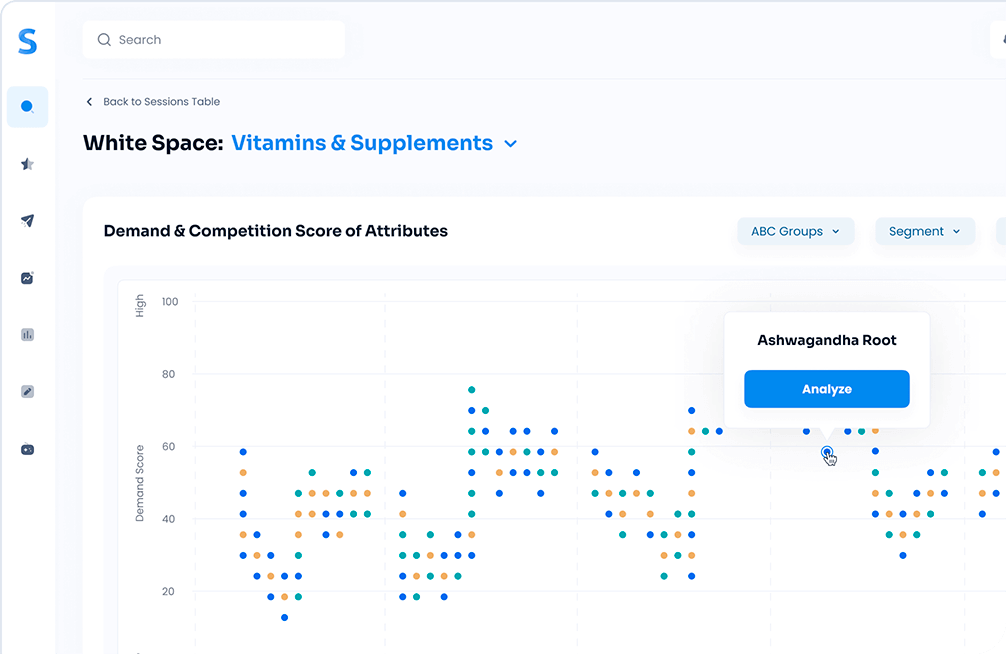
All forecasts and recommendations in this update come from Simporter’s White Space AI predictions as of September 2025.
If you’re ready to see Simporter AI in action and learn what it can do for you, request a demo on our website for more insights on Household Care Stain Removal trends. Predicting need state trends is just one way Simporter can help brands grow their business, so to learn more about how we can help you, please visit us at simporter.com.